Living outside Calgary’s city limits often means relying on private wells or small communal systems instead of municipal water. While that independence is rewarding, it also comes with specific water-quality challenges, from high mineral content to bacterial contamination and seasonal changes in clarity or odour.
At Water Softener Calgary, we regularly work with homeowners in rural Calgary, Rocky View County, Foothills County, Springbank, Bearspaw, Bragg Creek, Priddis, and surrounding acreages. One thing we know for sure: no two wells behave exactly the same, even when they’re only a few kilometres apart.
This guide explains the most common issues with rural and well water around Calgary, outlines proven treatment options, and shares expert tips to keep your system running clean, safe, and reliable year-round.
Table of Contents
- What Makes Well Water Challenging in Calgary
- Testing Your Well Water
- Bacteria Testing
- Chemical Testing
- Treatment Options for Well Water
- Softening Hard Well Water
- Removing Odours and Organic Compounds
- Disinfection for Bacteria
- Nitrates and Other Contaminants
- Maintaining Your Well and Equipment
- Choosing the Right Equipment
- Resources for Well Owners
Expert Insight from Water Softener Calgary
What Makes Well Water Challenging in Calgary
Unlike treated municipal water from the Bow and Elbow Rivers, groundwater absorbs minerals and organic matter as it travels through soil and rock.
Around Calgary and nearby rural areas, well water commonly contains:
- High hardness (calcium and magnesium)
- Iron and manganese
- Hydrogen sulphide (rotten-egg odour)
- Methane (bubbling or fizzing water)
- Sediment or turbidity
These issues show up in everyday use as:
- Scale and staining: White scale on fixtures, orange or brown iron stains in sinks and toilets
- Unpleasant odours: Sulphur smells, earthy or metallic tastes
- Cloudy water: Suspended minerals clog faucets and appliances
- Health concerns: Some wells may contain bacteria or nitrates that require treatment
Over time, untreated wells can also develop biofouling (slime-forming bacteria) or mineral encrustation, reducing flow and water quality. That’s why routine testing and proper treatment are essential for rural homeowners near Calgary.
Testing Your Well Water
Before installing any softener or filtration system, you need to know exactly what’s in your water.
1. Bacteria Testing
In Alberta, Alberta Health Services (AHS) offers free bacteria testing for private well owners. Sample bottles can be picked up from local public health offices. Testing ensures your water is safe for drinking and cooking.
Municipal water is already monitored by the City of Calgary, but private wells are the homeowner’s responsibility.
2. Chemical Testing
For hardness, iron, manganese, nitrates, and other minerals, testing must be done through a certified lab or a professional water treatment provider.
At Water Softener Calgary, we offer complimentary on-site water testing and consultation, allowing you to see:
- Hardness levels
- Iron and manganese content
- Overall mineral balance
This ensures your system is sized and designed correctly from the start.
Treatment Options for Well Water
Softening Hard Well Water
Wells around Calgary frequently show both high hardness and elevated iron, which requires more than a basic softener.
Based on water test results, we typically recommend:
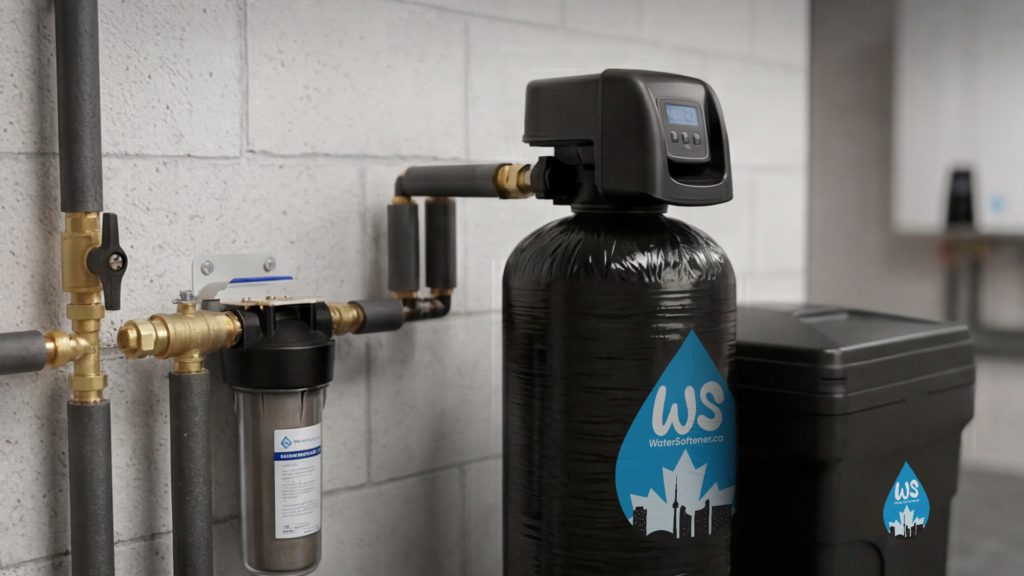
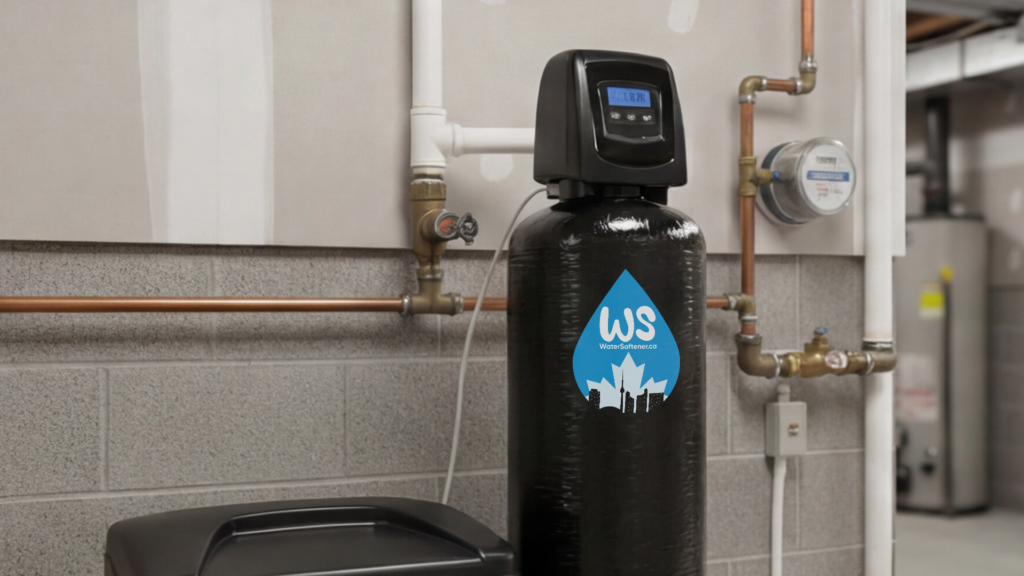
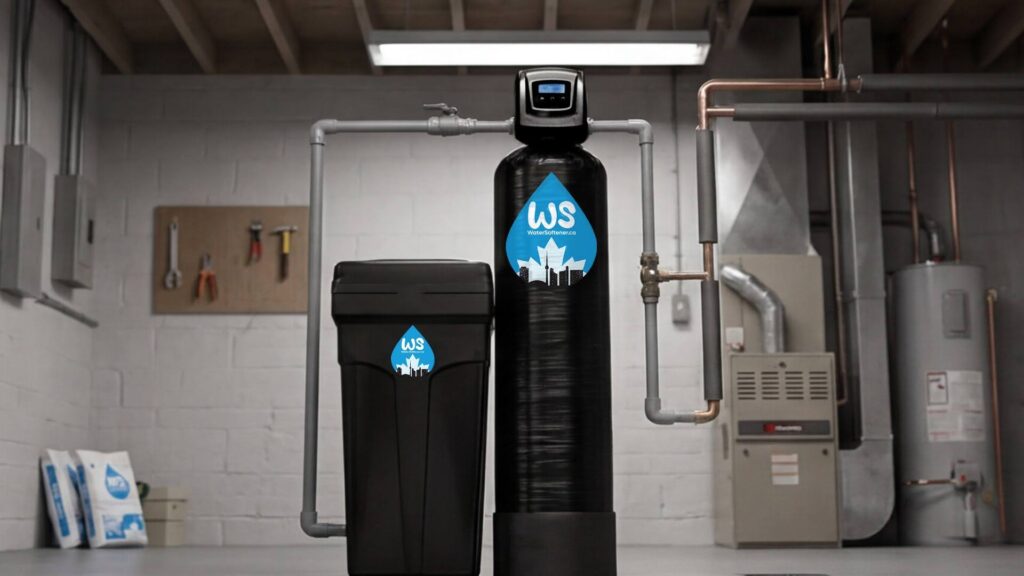
High-capacity or dual-tank salt-based softeners
Ideal for very hard water and larger households. Dual-tank systems provide continuous soft water, even during regeneration. These systems are highly effective but require salt refills and proper drainage.
Combination softener and iron filters
These systems remove hardness and iron in one unit using specialized media. They’re ideal for properties with limited space but higher iron levels.
Salt-free conditioners
Best for moderately hard water where scale prevention is the primary goal. These systems don’t remove minerals and are not recommended for high iron or very hard water, but they work well for cabins or low-use homes.
Removing Odours and Organic Compounds
If your well water smells unpleasant or tastes off, common culprits include hydrogen sulphide, methane, or organic tannins.
Effective solutions include:
- Aeration systems to release dissolved gases
- Oxidizing filters using catalytic carbon or manganese dioxide
- Activated carbon filtration to improve taste and odour
These systems are often combined with softeners for full-home treatment.
Disinfection for Bacteria
Private wells can occasionally test positive for coliform bacteria or E. coli.
Recommended solutions include:
- Shock chlorination for short-term contamination or after well servicing
- UV disinfection systems for long-term, chemical-free protection
UV systems are especially effective for year-round rural homes and families relying exclusively on well water.
Nitrates and Other Contaminants
If your property is near agricultural land or older septic systems, nitrates can enter groundwater. These are especially concerning for infants and pregnant women.
Reverse osmosis (RO) systems or specialized nitrate filters are highly effective at removal. A complete water analysis determines whether additional treatment is required.
Maintaining Your Well and Equipment
Proper maintenance protects both your well and your treatment system.
Best practices include:
- Annual bacteria testing
- Chemical testing every 2–3 years, or sooner if water changes
- Wellhead inspections to prevent surface contamination
- Shock chlorination after flooding or positive bacteria tests
- Routine servicing of softeners, filters, and UV systems
High-iron water often requires more frequent cleaning and monitoring.
Choosing the Right Equipment
There is no one-size-fits-all solution for rural properties near Calgary. The right system depends on:
- Water chemistry
- Household size
- Daily water demand
- Available space
- Budget
Salt-based systems offer maximum protection, iron filters address staining and odours, and compact conditioners suit smaller homes with moderate hardness.
Resources for Well Owners
Alberta’s Working Well Program provides free workshops, videos, and fact sheets on:
- Groundwater protection
- Shock chlorination
- Well construction and maintenance
Rocky View County and Foothills County also provide guidance on sampling and certified contractors.
Expert Insight from Water Softener Calgary
Rural living offers freedom, but it also means full responsibility for your water quality.
At Water Softener Calgary, we specialize in custom well-water solutions designed specifically for Calgary-area groundwater. From free water testing and system design to professional installation and long-term support, we help rural homeowners achieve:
- Clear, odour-free water
- Scale-free plumbing and appliances
- Reliable, long-lasting treatment systems
If you live outside Calgary’s city limits and rely on a well, schedule your free water test today. We’ll help you build a treatment system that actually matches your water, your home, and your lifestyle.