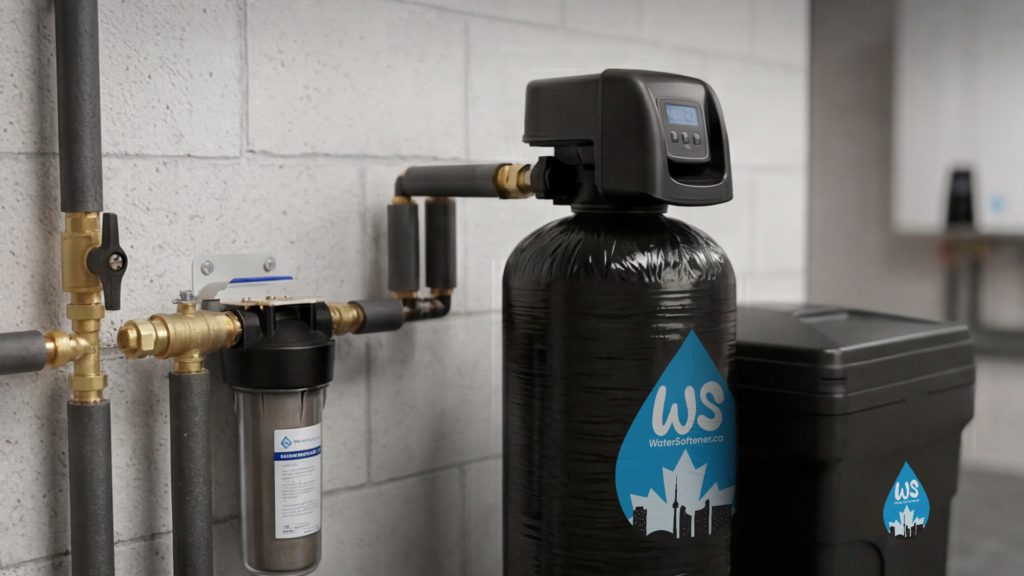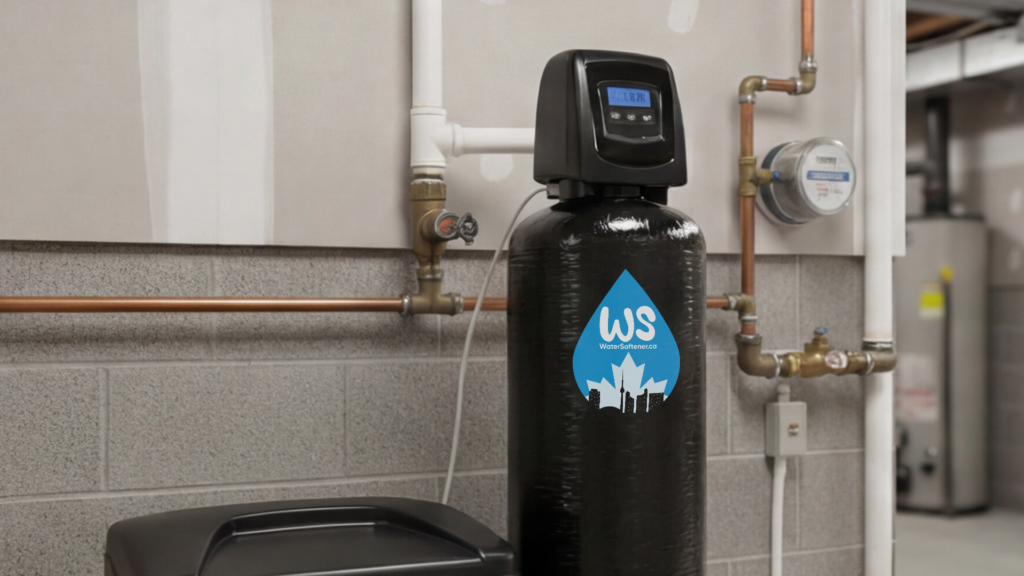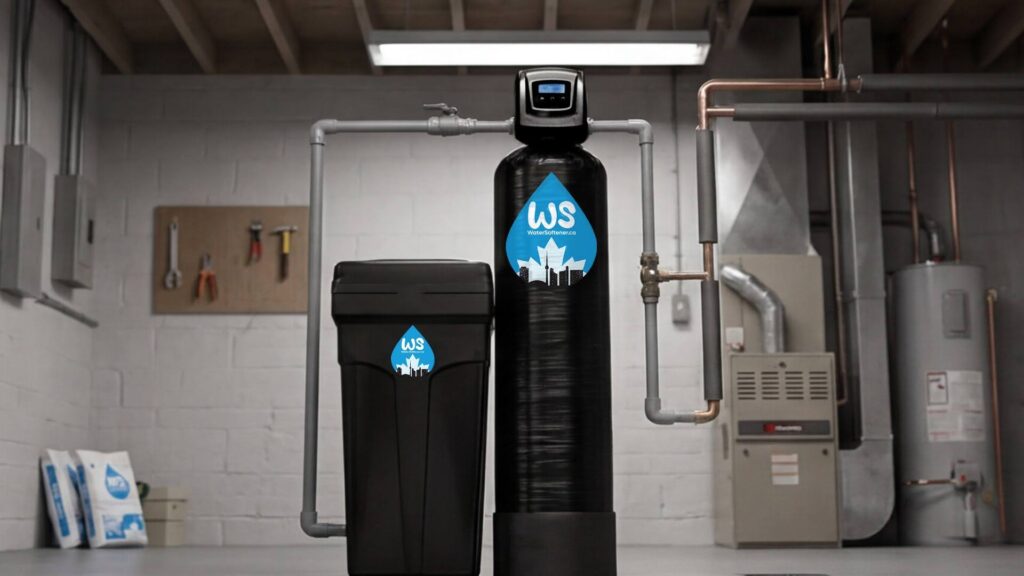
Water softener installation Calgary homeowners can rely on should never feel like a rushed equipment drop-off. A softener becomes part of your home’s plumbing system, so the installation has to be planned around your actual water hardness, main water line, drain access, family size, water use, and whether your home runs on city water or well water.
That planning matters because Calgary water is naturally hard. Hard water is usually not dangerous, but it creates daily problems that slowly become expensive: white scale on taps, cloudy dishes, dry-feeling skin, soap scum, stiff laundry, kettle buildup, and mineral deposits inside water heaters and appliances. Health Canada explains that hardness is mainly caused by calcium and magnesium, and that hard water can reduce soap performance and create scaling in hot water pipes, boilers, and household appliances.
This guide explains what happens before, during, and after installation so you can ask better questions, avoid poor setup, and understand what a proper Calgary water softener installation should include.
For municipal homes, the most relevant starting point is a city water softener and filter. For acreage or private well homes, start with a well water softener and filter because well water may need more than softening.
Why Installation Quality Matters
A water softener does not work properly just because the tank is connected. It has to be installed in the right location, connected in the right direction, programmed with the right hardness setting, and tested after startup.
Poor installation can cause:
- Only part of the home receiving soft water
- Low water pressure
- Drain line leaks
- Hard water returning too soon
- Wrong regeneration timing
- Excessive salt use
- Bypass valve confusion
- Unprotected water heater
- Service access problems later
A professional water softener installation Calgary homeowners can trust should answer one main question: will this setup solve the water problem for the whole home without creating new plumbing or maintenance issues?
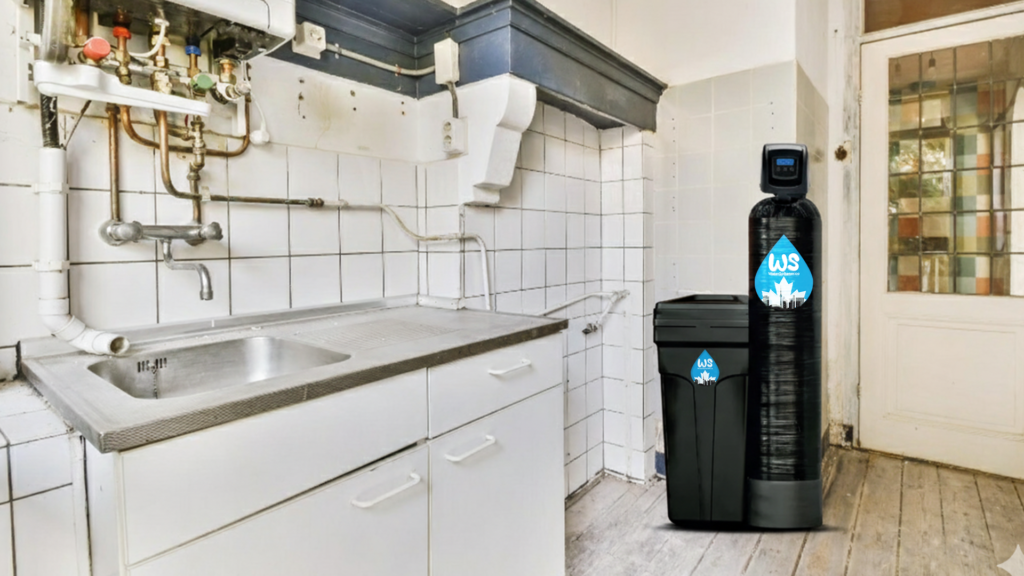
Step 1: Water Testing Comes First
Before installation, your water should be tested. Guessing is where many softener problems begin.
A proper test helps confirm:
| What to Check | Why It Matters |
| Hardness | Tells the installer how to size and program the unit |
| Chlorine | Common city water concern that may need filtration |
| Iron | Can stain fixtures and foul softener resin |
| Manganese | Can create staining and treatment issues |
| Sediment | May require a pre-filter |
| Odour | May point to sulfur, organic matter, or well-water issues |
| Water source | City water and well water need different planning |
For city homes, the concern is often hardness plus chlorine taste or smell. Water Softener Calgary’s city water page explains that Calgary municipal water can still contain hardness minerals, chlorine, and fine particles that affect taste, cleaning, plumbing, and appliance performance.
For well-water homes, the situation can be more complex. A basic softener may not be enough if the water has iron, manganese, sediment, sulfur odour, or bacteria concerns. That is why the well-water system page focuses on testing first, then building the right treatment order.
Step 2: Choosing the Right Installation Location
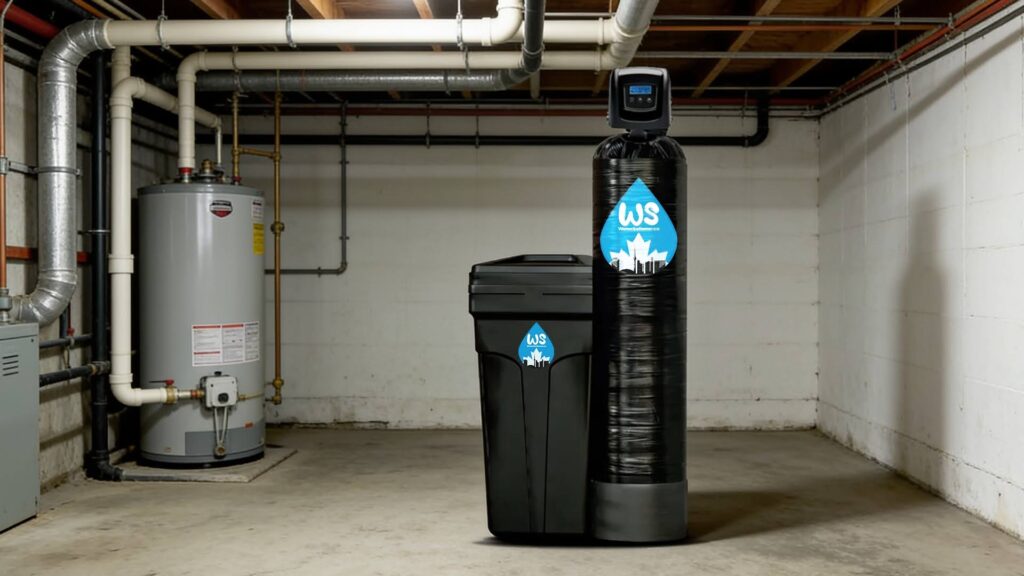
The best installation spot is usually close to the main water line, before water branches through the home. In most Calgary homes, this is in the basement, utility room, or mechanical room.
The location should have:
- Access to the incoming water line
- A nearby drain
- A safe power outlet
- Enough room for the softener tank
- Enough room for the brine tank
- Space to add salt
- Room to reach the bypass valve
- Protection from freezing
- Access for future service
The system should usually be installed before the water heater. This helps softened water enter the heater, reducing the scale risk inside the tank. If the softener is installed after the heater, hot water may still carry hardness minerals, which defeats one of the biggest reasons to install the system.
Step 3: Planning the Plumbing Connection
During water softener installation Calgary technicians normally connect the system to the main water line. This means cutting into the line, adding fittings, connecting the inlet and outlet, and installing or confirming a bypass valve.
The installer should identify:
- Main shutoff valve
- Main incoming water line
- Water heater feed
- Outdoor tap branches
- Kitchen cold-water branch
- Existing filters or old softeners
- Pipe material, such as copper, PEX, or CPVC
This step matters because the softener should treat the water that actually needs treatment. Outdoor hose bibs are often left unsoftened because lawns and exterior cleaning do not need soft water. Some homeowners also choose to keep the kitchen cold tap unsoftened, especially if they prefer separate drinking water.
If drinking water quality is a concern, reverse osmosis may be a better solution than leaving the kitchen line untreated. That can be planned during installation if the home also needs filtration.
Step 4: Setting Up the Drain Line
A traditional salt-based softener needs a drain. During regeneration, the system flushes hardness minerals from the resin bed and sends wastewater to the drain.
Common drain options include:
| Drain Option | When It May Work |
| Floor drain | Common in Calgary mechanical rooms |
| Utility sink | Useful if close and accessible |
| Laundry standpipe | May work depending on layout |
| Mechanical room drain | Common near water heaters |
| Approved drain connection | Used when properly planned |
The drain line should be secure, not loose or stretched. It should not be kinked or placed where it can move during regeneration. A poor drain route can cause water mess, noise, backup, or system errors later.
A good installer checks drain distance, drain height, tubing support, and whether the drain is open and suitable.
Step 5: Installing the Bypass Valve
The bypass valve is one of the most important parts of the installation. It lets water skip the softener when the system needs service or if there is a leak.
Before the installer leaves, you should know:
- Where the bypass valve is
- How to put the system in bypass
- How to return it to service mode
- When to use bypass
- What to do if there is a leak
- Whether the valve is built-in or external
This is not a small technical detail. In an emergency, the bypass valve gives you control. It also helps during future maintenance and water testing.
Step 6: Programming the Softener
A water softener must be programmed for your home. It should not be left on generic factory settings.
Programming may include:
| Setting | Why It Matters |
| Hardness level | Controls how much capacity the system uses |
| Household size | Helps match regeneration to usage |
| Regeneration time | Usually set for low-use hours |
| Salt dose | Affects efficiency and softening performance |
| Metered regeneration | Uses actual water use instead of guesswork |
| Capacity setting | Prevents running out of soft water |
If the hardness setting is too low, hard water can break through. If it is too high, the system may waste salt and water. If regeneration happens at the wrong time, you may notice interruptions during daily use.
This is why professional setup matters. The unit itself is only part of the solution. Correct programming turns it into a system that fits your home.
Step 7: Testing After Installation
Once the system is connected, the installer should test the water again. This confirms the unit is actually softening.
A proper post-install check includes:
- Leak inspection
- Bypass valve check
- Drain line check
- Brine tank connection
- Hardness test after the softener
- Control valve programming review
- Salt level review
- Homeowner walkthrough
You should not be left guessing how the system works. A good installation ends with explanation, not just cleanup.
It can take a little time for hot water to feel fully soft because the water heater may still contain hard water from before installation. Cold water often shows results sooner. Dishwasher results, shower feel, and reduced scale may improve over the next several days as old hard water clears from the system.
City Water vs Well Water Installation
City water installation is often more straightforward. The main issues are usually hardness, chlorine taste, chlorine smell, and appliance scale. In that case, a softener plus filtration may be enough.
Well water requires more caution. Water Softener Calgary explains that a basic softener is often not enough for well water around Calgary because issues may include iron, manganese, sediment, odour, and bacteria concerns. A well-water setup may need filtration before softening, UV disinfection, or reverse osmosis for drinking water.
| Home Type | Installation Focus |
| City water home | Hardness, chlorine, taste, scale |
| Well water home | Hardness, iron, manganese, sediment, odour, bacteria |
| Large family home | Capacity, flow rate, regeneration efficiency |
| Finished basement | Access, drain route, clean plumbing plan |
| Older home | Pipe material, main line location, bypass planning |
This is why a water test should come before equipment selection.
What Homeowners Should Prepare
Before installation day, clear the area and make the important points visible.
Prepare by:
- Clearing the mechanical room
- Moving boxes away from the main line
- Making the floor drain accessible
- Checking for a nearby outlet
- Knowing where the main shutoff is
- Keeping pets away from the work area
- Taking photos if booking remotely
- Asking whether outdoor taps will be bypassed
- Asking whether kitchen cold water will be softened
- Confirming if filtration is included
This preparation helps installation move faster and reduces surprises.
Common Installation Mistakes to Avoid
Avoid these mistakes:
Installing Too Far From the Main Line
This can leave part of the home untreated.
Ignoring Drain Access
A softener needs reliable drainage for regeneration.
Blocking the Bypass Valve
You should always be able to reach it quickly.
Skipping Water Testing
Hardness, iron, chlorine, and sediment can change the system design.
Choosing Equipment Before Understanding the Water
A softener solves hardness. It does not automatically solve taste, odour, iron, or sediment.
Forgetting the Water Heater
The softener should usually protect the water heater by treating water before it enters the tank.
Final Takeaway
Water softener installation Calgary homeowners can trust is not just about connecting a tank. It is a full process: water testing, system selection, placement, plumbing connection, drain setup, bypass valve installation, programming, leak checking, and post-install testing.
The best installation solves the actual problem in your home. For city homes, that may mean reviewing city water softener and filter options. For well-water homes, it may mean starting with a well water softener and filter assessment. If you are unsure, book a free water test before choosing equipment or scheduling installation.
FAQs
How long does water softener installation take in Calgary?
Professional installation usually takes a few hours when plumbing, drain access, and power are ready. Complex homes, finished basements, old plumbing, or added filtration can take longer.
Where should a water softener be installed?
The best location is usually near the main water line, before the water heater, close to a drain, near power, and in a heated area with service access.
Does a water softener need a drain?
Yes. A traditional salt-based softener needs a drain for regeneration wastewater.
Should outdoor taps be softened?
Usually no. Outdoor taps are often bypassed because lawns and exterior cleaning do not need softened water.
Do I need filtration with a water softener?
If your only issue is hardness, a softener may be enough. If you also notice chlorine taste, odour, sediment, iron, or drinking water concerns, filtration may be needed.
Can a water softener be installed in a finished basement?
Yes, but it may need more planning because plumbing, drains, and access points can be hidden behind finished walls.
Should the kitchen cold tap be softened?
It depends. Some homeowners soften it, while others keep it separate or add reverse osmosis for drinking water.
How do I know if the softener is working?
Test the water after installation, check the bypass valve, watch salt use, and monitor scale, soap lather, dishes, and shower feel over the first few days.